
When Evidence Gap Becomes a Commercial Liability
The MENA evidence gap for selected portfolios is becoming a commercial liability for drugmakers that could have been prevented at the design stage.
The MENA evidence gap for selected portfolios is becoming a commercial liability for drugmakers that could have been prevented at the design stage.
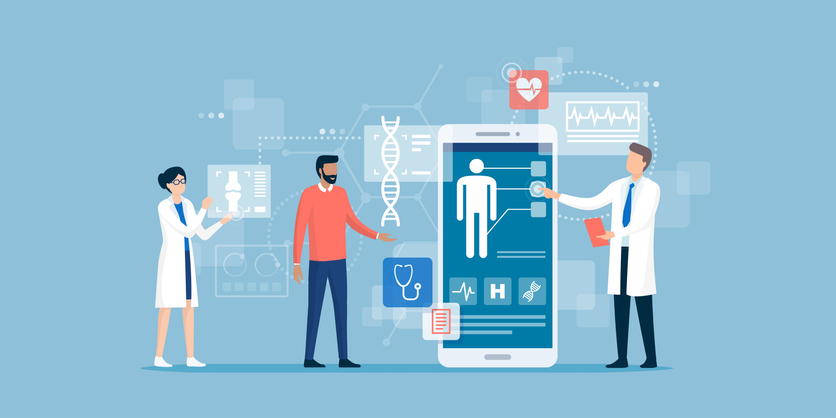
Organizations that can generate and apply high-quality, clinically grounded evidence will be better positioned to close the gap between what is proven in trials and what is achieved in practice.


Veradigm examines key clinical trends, comorbidity profiles, and treatment trends across adolescence, reproductive years, and peri-/post-menopause. Download it today!

A new report from Veradigm examines key clinical trends, comorbidity profiles, and treatment trends across adolescence, reproductive years, and peri-/post-menopause. Download it today!


A new eBook explores how using real world data from patients can help drug developers improve outcomes for non-small cell lung cancer and other patient populations.
A new eBook, sponsored by PurpleLab, examines how a significant number of patients with non-small cell lung cancer miss out on optimal care due to gaps in biomarker testing, socioeconomic barriers, incomplete patient journey data, and what can be done to change that.

When applied with a rigorous, subject-matter-expert guided process, AI-currated RWD is an essential resource giving life science organizations new power to monitor the diverse variety of ways drugs are actually utilized post-approval.


We have the opportunity to design systems that give people greater capacity for the work where human presence matters most: listening, understanding, reassuring, deciding, and caring.

This year will be the turning point from AI “hype” to the adoption of meaningful AI and digital health solutions in pharma. Here four predictions.

Using RWD to understand SDOH factors faced by patients with non-small cell lung cancer paves the way for improving health equity and more effective treatments for more people.
For non small cell lung cancer patients, a zip code can mean the difference between diagnosis time and treatment options.

This article is part of a series on eliminating blind spots in the patient journey by leveraging real-world data.

What if health plans could identify member decline before an avoidable hospitalization occurs? Real-time clinical visibility into long-stay SNF members uncovers risk earlier and drives better outcomes.

The application of AI technology is part of a carefully orchestrated effort dependent on human intelligence, and the collaboration of physicians, disease-specific specialists, nurses, data scientists, and technologists. Done right, these efforts can lead to profound benefits, and offer a promising future for clinical research and patient care.

Technology that offers tools that conform, de-identify, link and aggregate data and data science tools like AI, machine learning and advanced analytics, can help those researching rare diseases overcome the hurdles they face in discovery and development.

The ability to harness real-world insights at scale empowers life sciences companies and clinicians to develop more targeted therapies, improve patient outcomes, and drive evidence-based innovation in BPH treatment.

A one-size fits most approach to clinical trial recruitment is no longer effective. A webinar discussion emphasized the need for patient-level data to shape each phase of a drug’s lifecycle, from clinical development to market access.

The webinar, sponsored by PurpleLab and scheduled for May 22, will explore how healthcare sector companies can leverage real world data (RWD) with a focus on lung cancer.